

Global supply chain volatility is no longer an abstract macroeconomic concept for surgical device distributors. Polymer pricing, air freight capacity, maritime routing, and hospital procurement budgets are all under pressure at the same time, and the effects reach directly into operating rooms.
Raw material costs, logistics lead times, maritime freight economics, and hospital procurement behavior are all moving at once. Distributors who understand what’s driving each of those shifts can anticipate cost changes, plan inventory more accurately, and have more useful conversations with procurement managers than competitors who are still quoting last year’s numbers.
Contents
The polymer problem: rising costs for single-use surgical components
Petrochemical price volatility has become a persistent cost factor for manufacturers of medical-grade polymers. Medical-grade polycarbonate, the transparent engineering plastic used in surgical device housings and single-use blades, is derived from bisphenol A and phosgene. Bisphenol A, the primary precursor, traces its cost directly to naphtha, a crude oil derivative that feeds most of the global petrochemical supply chain. When oil markets tighten because of geopolitical disruption, naphtha margins follow, and polycarbonate pricing moves with them.
Polycarbonate traded at around $1,600–$1,700 per metric ton in early 2025. Renewed pressure on Strait of Hormuz petrochemical flows through 2026 has pushed prices upward again, with naphtha margins reaching multi-year highs. For manufacturers of single-use surgical components, that repricing moves into production costs quickly.
The medical-grade specification adds another layer. Polycarbonate intended for contact with tissue or use inside a sterile field requires stricter purity and consistency controls than industrial grades. That premium doesn’t compress when commodity prices spike; it stays on top of whatever the base resin costs. Across the single-use surgical category, that repricing creates margin pressure that’s difficult to absorb without either raising prices or accepting lower returns per unit.
The koplight™ uses transparent polycarbonate blades manufactured in Japan, where domestic production offers more stable input costs than facilities dependent on spot-market imports from regions experiencing active supply disruptions. For distributors, that supply stability is worth factoring into a total cost comparison with competitors whose manufacturing base is more exposed to global resin volatility. When a supplier’s production costs are predictable, their pricing is more predictable, and that matters when you’re quoting hospitals on multi-year supply agreements.
Electronics and battery logistics: air freight constraints and device lead times
Air freight capacity across major global corridors has tightened because of conflict-related airspace closures, and the effect on precision component lead times runs across the medtech industry. For device categories that depend on specialty electronics or proprietary power cells, that tightening creates replenishment risk that compounds over time. Distributors whose reorder points were set in 2021 or 2022 are finding those assumptions consistently underperform.
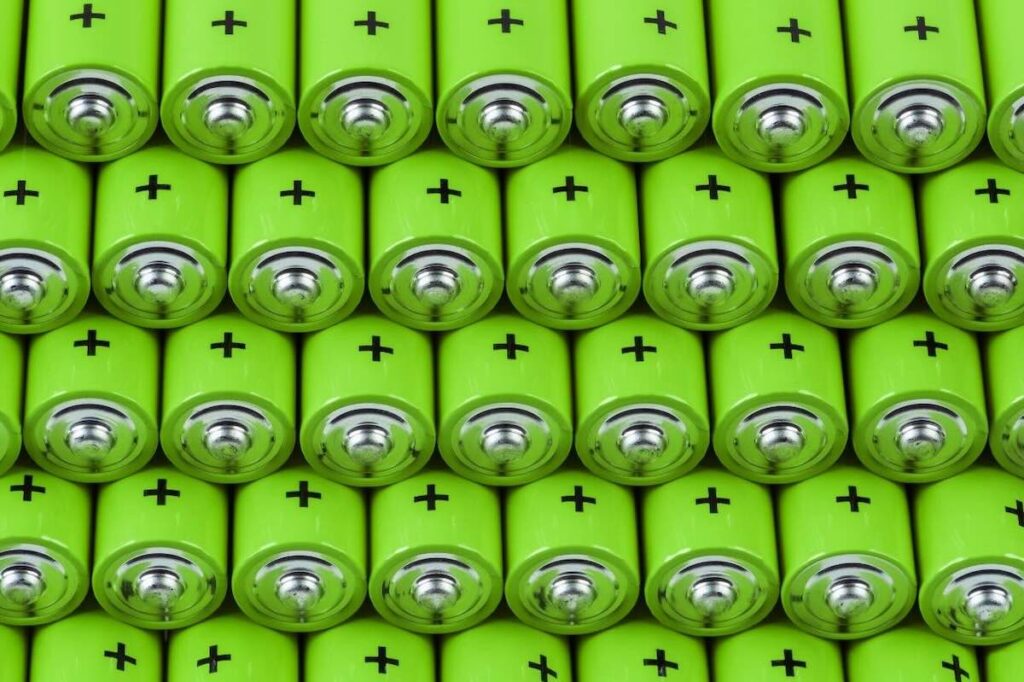
The battery type in a device matters more than it might seem in this context. Many high-performance cordless surgical instruments run on specialty lithium-ion or lithium-polymer cells, which face their own supply chain pressures tied to lithium and cobalt mining concentrated in a small number of countries. The koplight™ runs on standard AAA NiMH batteries, a widely available commodity format that doesn’t depend on specialty cell manufacturing or concentrated mineral supply chains. For distributors managing international inventory, that’s a meaningful difference in supply chain predictability. Replacement power cells for the koplight™ are available through standard pharmacy and electronics retail channels worldwide, which reduces dependency on device-specific replenishment logistics entirely.
Distributors sourcing devices with proprietary battery systems should account for the full replenishment cost in their total cost of ownership analysis, including the logistical exposure that comes with specialty components in a constrained air freight environment. The less proprietary the power source, the more resilient the distribution model.
Maritime disruption and the cost of rerouting
Maritime freight costs and transit times have risen substantially across major global shipping lanes over the past three years, and medical device supply chains are affected alongside every other industry. The most documented example of this shift has been the Red Sea disruption that began in late 2023, which forced most major carriers to reroute around the Cape of Good Hope rather than through the Suez Canal. The Cape of Good Hope route adds 10–15 days to voyages between major manufacturing regions and European markets and boosts fuel consumption by up to 40%, according to FreightAmigo’s 2025 logistics report. Freight rates on major affected trade lanes surged sharply in 2024 and have since stabilized at levels 25–35% above pre-crisis benchmarks.
Red Sea conditions remain a live variable rather than a resolved situation, and similar disruptions to other strategic corridors represent a structural risk that responsible supply chain planning now has to account for. Distributors planning inventory cycles for 2026 should treat extended transit times as a working assumption rather than an exception. A roughly 30% increase in transit times corresponds to an approximately 9% reduction in effective global container shipping capacity, according to J.P. Morgan Research, which affects availability across the entire medtech supply chain, not just individual product lines. The just-in-time inventory models many distributors built their logistics around are harder to sustain when the “time” in just-in-time keeps expanding.
Distributors should update lead time assumptions, customs clearance buffers, and safety stock calculations to reflect the current freight environment rather than pre-2024 baselines. What changes with longer transit windows is inventory planning, not product quality. A device manufactured to consistent standards at a domestic facility arrives as it was built; the variable distributors need to manage is how far ahead they order, not what they receive. Distributors who’ve built that buffer into their planning cycle are better placed than those still running lean.
Is the koplight™ in your device portfolio?
The koplight™ is a cordless LED lighted retractor with a reusable handle and single-use polycarbonate blades. FDA-registered and EU MDR certified, manufactured in Japan. Distributors interested in adding it to their lineup can contact Yasui directly.
